SB 326 & SB 721 BALCONY LAW PRACTICE·SAN DIEGO

The balcony law deadline has passed.

Senate Bill 326 required the first inspection of exterior elevated elements on California condo associations by January 1, 2025. Senate Bill 721 required the first inspection on apartment buildings by January 1, 2026. If your property has not completed the inspection, the compliance clock is already running against you.

EXPERIENCE THAT MATTERS TO YOUR BOARD

A California-licensed architecture practice built for multifamily and HOA work.

0+ YRS
Years in Practice
Nalu Architecture Inc., founded September 2017
0+
Communities Served
HOAs and multifamily properties across Southern California
0+
Elevated Elements Analyzed
Balconies, decks, walkways, stairways, and railings
SECTION 1·THE RULES, PLAIN ENGLISH

Two laws, two deadlines, one goal.

Both SB 326 and SB 721 apply to buildings with three or more units and to exterior elevated elements more than six feet off the ground — balconies, decks, walkways, stairways, and railings supported substantially by wood. What differs is who owns the building and how often the inspection repeats.

RequirementSB 326 (Condos / HOAs)SB 721 (Apartments)
Applies toCondominium associations and common-interest developments (3+ units)Apartment buildings with 3+ rental units
Responsible partyHOA boardBuilding owner
First inspection deadlineJanuary 1, 2025 (passed)January 1, 2026 (extended by AB 2579)
Recurring cycleEvery 9 yearsEvery 6 years
Report retentionTwo inspection cycles, integrated with reserve studyTwo inspection cycles
Who may inspectLicensed architect or structural / civil engineerLicensed architect, structural / civil engineer, or A / B / C-5 contractor
Non-complianceLocal enforcement can recover costs; liens and fines possibleDaily fines; local enforcement authority
Senate Bill 326
Condos & HOAs
Applies to
Condominium associations and common-interest developments with 3+ units
Responsible party
HOA board
First inspection deadline
January 1, 2025 (passed)
Recurring cycle
Every 9 years
Report retention
Two inspection cycles, integrated with reserve study
Who may inspect
Licensed architect or structural / civil engineer
Non-compliance
Local enforcement can recover costs; liens and fines possible
Senate Bill 721
Apartments
Applies to
Apartment buildings with 3+ rental units
Responsible party
Building owner
First inspection deadline
January 1, 2026 (extended by AB 2579)
Recurring cycle
Every 6 years
Report retention
Two inspection cycles
Who may inspect
Licensed architect, structural / civil engineer, or A / B / C-5 contractor
Non-compliance
Daily fines; local enforcement authority

Sources: Civil Code §5551 (SB 326), Health & Safety Code §17973 (SB 721), Assembly Bill 2579 (2024), Davis-Stirling.com (2025).

If you missed the deadline

You are not stuck. What you are is exposed. The first move is a documented inspection by a licensed professional, followed by a written report your board or ownership entity can enter into the reserve study. That report resets the compliance clock and puts you back in a defensible position before enforcement, an insurance claim, or a unit sale forces the issue.

WHAT WE FIND WHEN WE OPEN THINGS UP

The visible surface is almost never the whole story.

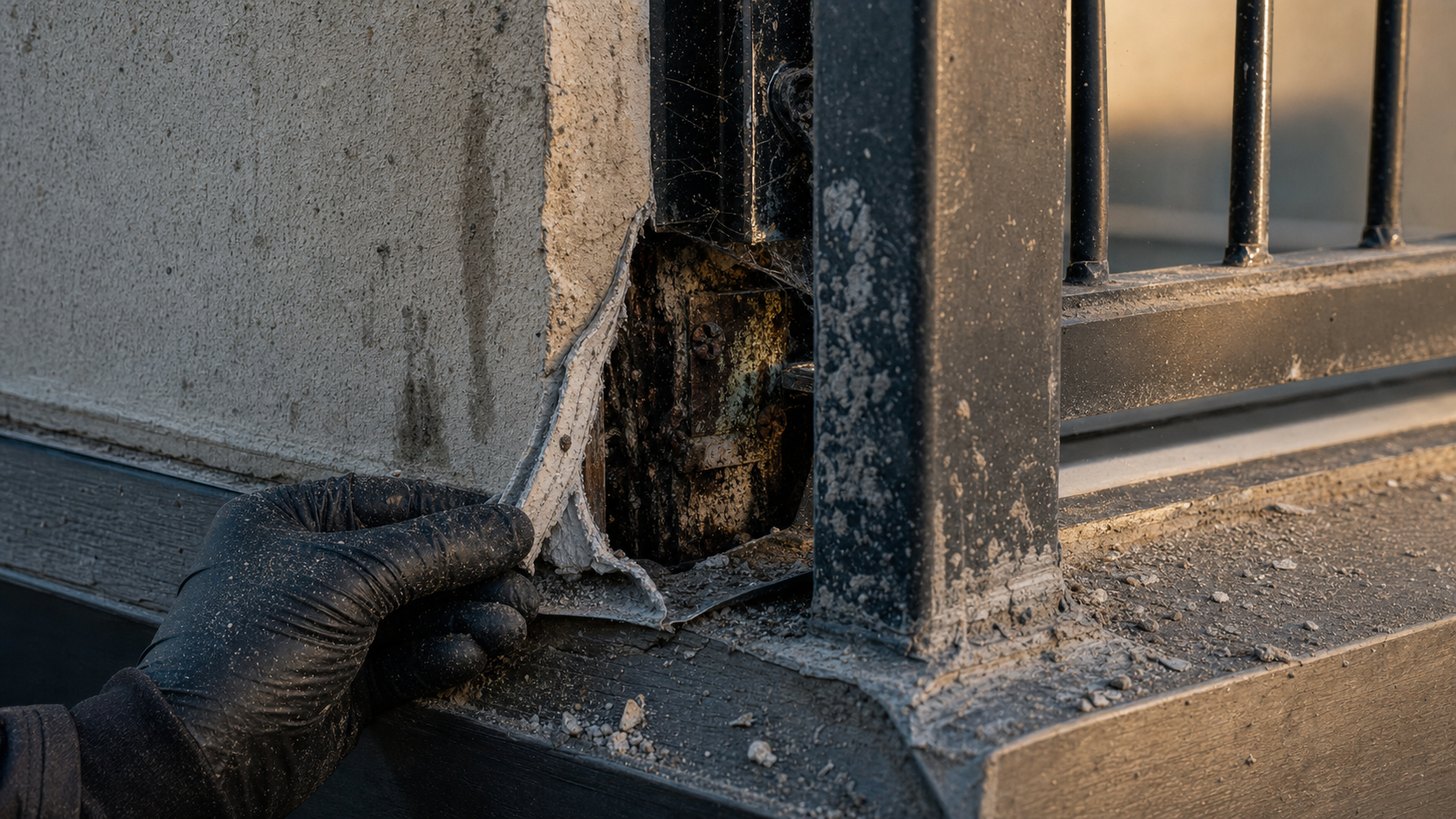
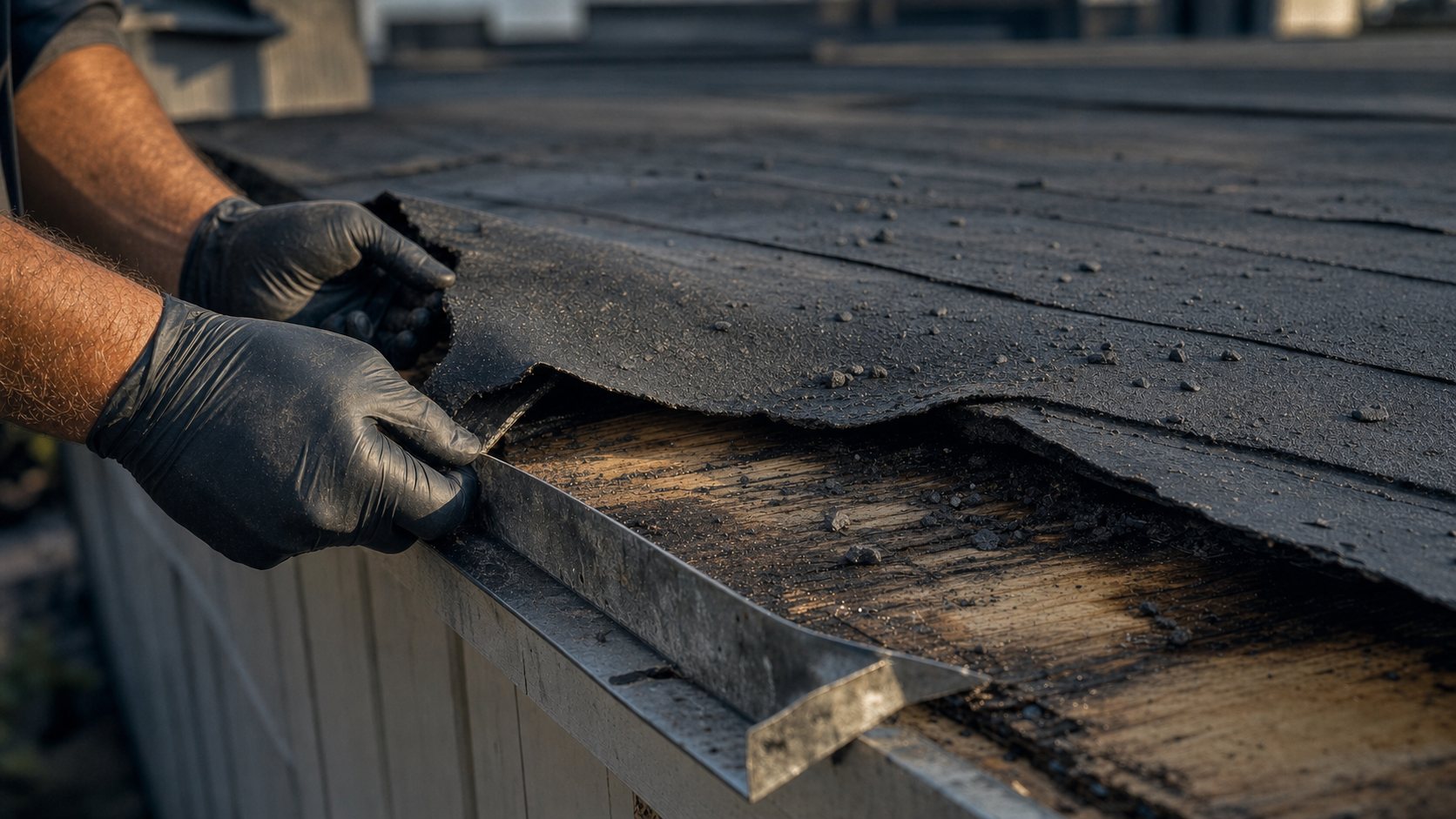
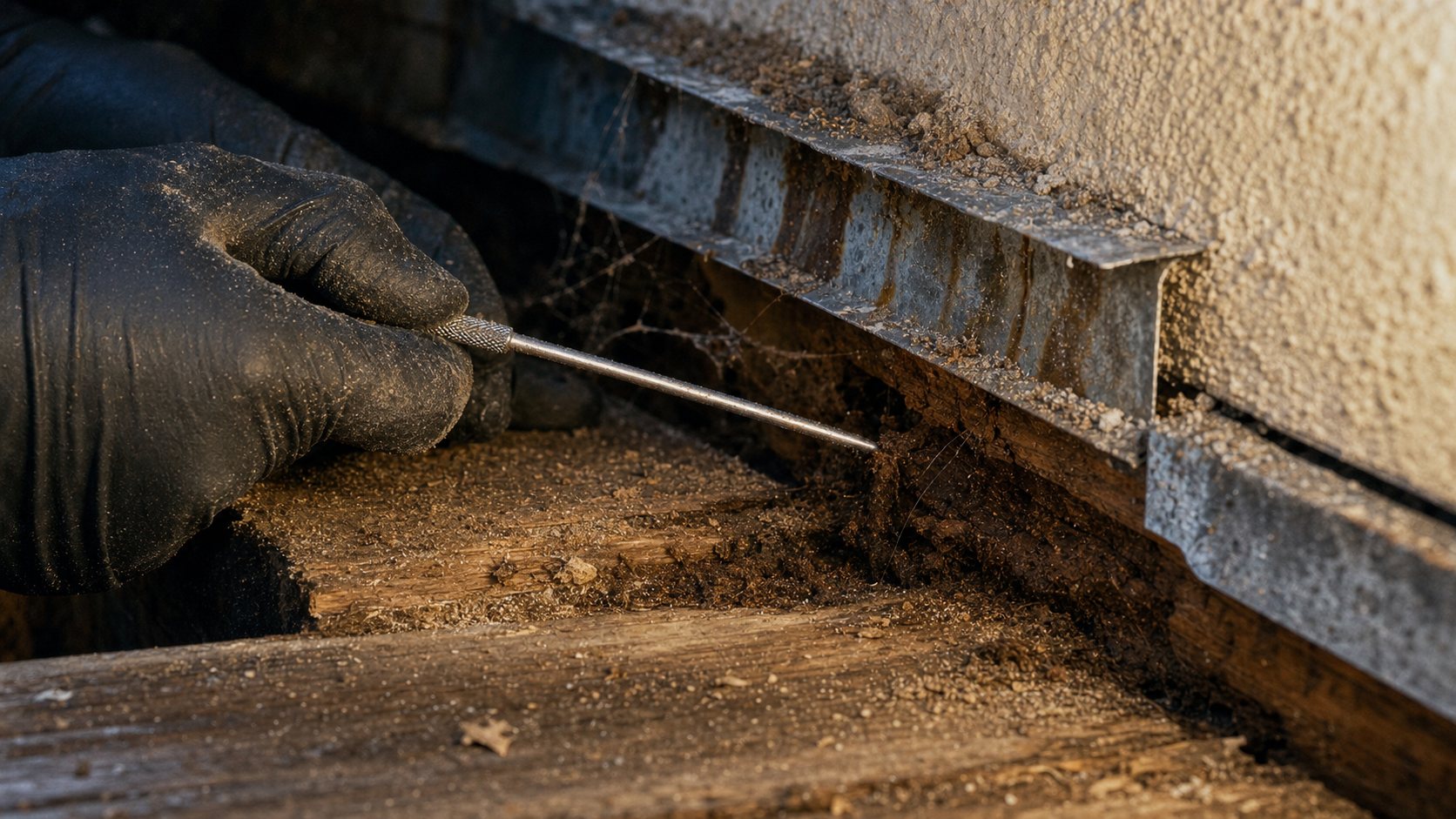
Gloved hand pulling back failed sealant and cracked stucco at the base of a balcony rail post, exposing corroded steel and rot Gloved hand lifting failed torch-down membrane at a deck edge, exposing damaged plywood and drip-edge flashing Gloved hand probing soft-rot wood where metal step-flashing meets a stucco wall

Wood-framed elevated elements in coastal Southern California age quickly. Water finds a way through flashings, sleepers rot from below, and steel connectors corrode long before the finish surface tells you anything is wrong.

SECTION 2·WHAT IT ACTUALLY COSTS

The inspection is a small number. The repair is not.

The visual inspection itself is a modest cost for most properties. The real financial exposure comes when the inspector finds a condition that requires invasive testing, when a deficiency triggers a repair, or when the report finds an immediate life-safety threat that must be reported to local code enforcement within 15 days.

Where boards get surprised

The proposal covers the visual inspection. It does not cover invasive testing, the repair permit and drawings, or the actual construction. A $6,000 inspection can turn into a $150,000+ repair project once concealed damage is opened up. Reserve-study planning is where boards get ahead of that number.

See the full 2026 cost breakdown →

SECTION 3·HOW WE WORK

Six moments an architect earns their fee.

The right architect does not just perform the inspection. They protect the board or owner across six specific moments — from initial scope through permit and closeout.

  1. Scoping the inspection correctly

    Element counts, sampling method, invasive-testing budget, and immediate-threat protocol written into the proposal before anyone climbs a ladder.

  2. Performing and documenting the inspection

    Written report with photos, element-by-element condition ratings, and the specific SB 326 / SB 721 language required by the reserve study and the code enforcement filing.

  3. Interpreting deficiencies for the board

    Plain-English translation of what the report means, what has to be repaired within 120 days, what can be planned into the reserve study, and what the insurance implications are.

  4. Preparing bid-ready construction documents

    Repair drawings, specifications, and structural coordination that let three qualified contractors bid to the same scope — so bids are actually comparable.

  5. Running plan check and permit

    Corrections, resubmittals, and coordination with the local building department. This is where amateur permit packages die and boards lose months.

  6. Construction administration and closeout

    Site observation during framing and waterproofing, RFI responses, and the closeout package the board files with the completed inspection cycle.

GET STARTED

Get an inspection proposal for your property.

Written scope, licensed-professional pricing, and an honest description of what happens if concealed damage is found. No sales calls.

Request a Proposal